
Heights & Rope Software
Rope software includes all textile-based components used in rope systems, designed to provide flexibility, energy absorption, and adaptability across a wide range of applications. This category covers items such as ropes, slings, harnesses, lanyards, webbing, prusik cords, and other fibre-based equipment commonly used in climbing, rescue, height safety, and rigging.
Manufactured from high-performance synthetic fibres like nylon, polyester, or aramid, these products are engineered to balance strength, durability, and handling characteristics. Unlike metal hardware, textile components are more susceptible to wear over time and can degrade due to environmental factors such as UV exposure, moisture, heat, abrasion, and chemical contact.
Because of this, rope software typically has a defined service life and may include manufacturer-recommended retirement periods, even if the item appears unused. Regular inspection is critical. Users should look for signs of damage such as cuts, fraying, glazing, stiffness, discoloration, or contamination. Any equipment showing these signs, or that has been subjected to significant load or shock, should be retired immediately.
When properly selected, used, and maintained, rope software plays a vital role in safe and efficient systems, offering the flexibility and performance needed for dynamic and load-bearing applications.
Heights & Rope Software
-
Sale!
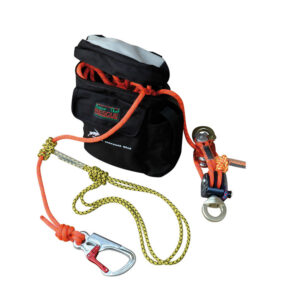
Aztek Elite Rescue Retrieval Mini-Hauling System
Original price was: $1,002.12.$960.37Current price is: $960.37. -
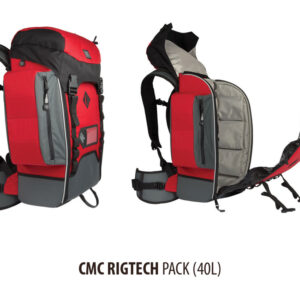
CMC Rigtech Pack
$498.62 -
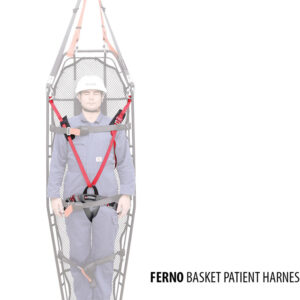
Ferno Basket Patient Harness Kit
$343.85 -
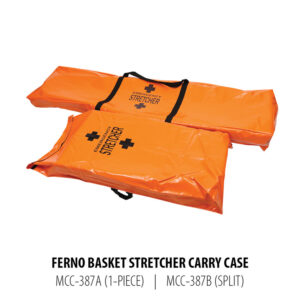
Ferno Basket Stretcher Carry Case
Price range: $192.46 through $254.33 -
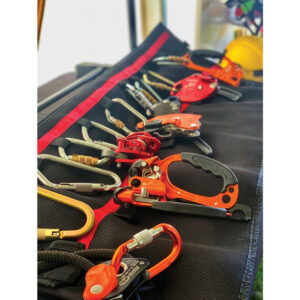
Ferno Gear Roll
$522.96 -
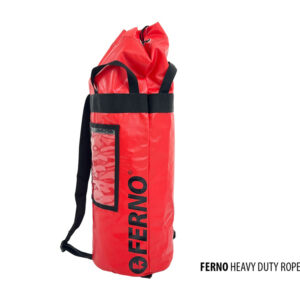
Ferno Heavy Duty Rope Bags
Price range: $114.04 through $142.30 -
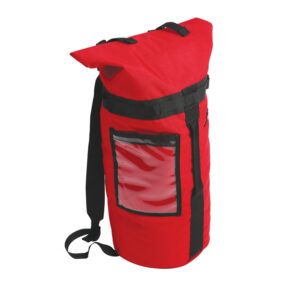
Ferno Industrial Rope Bag
$63.04 -
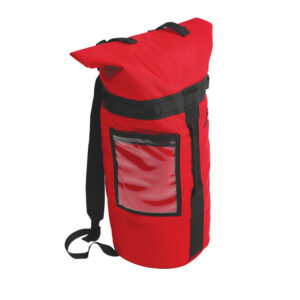
Ferno Industrial Rope Bag
$63.04 -
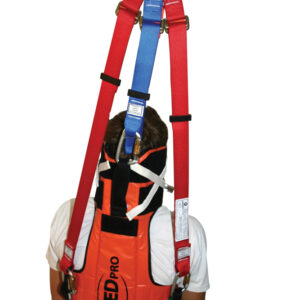
Ferno KED Lifting Bridle
$379.50 -
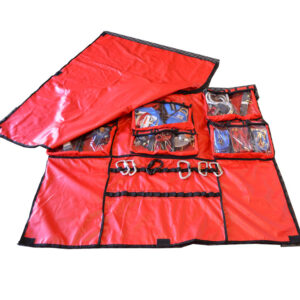
Ferno Multi Pouch Rigging Bag
$281.49 -
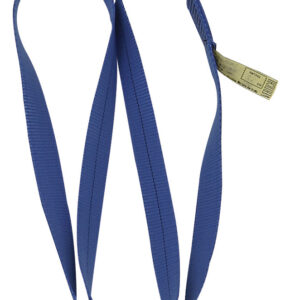
Ferno Sling 25 x 5000mm
$61.10 -
Ferno Slings – 25 x 2500 mm
$35.75 -
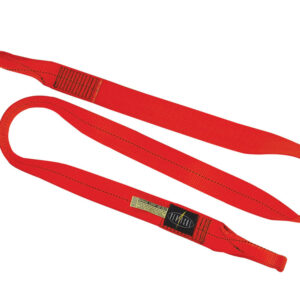
Ferno Slings – 25 x 3000 mm
$41.60 -
Ferno Slings 25 x 3500 mm
$46.80 -
Ferno Slings 25 x 4000mm
$51.35 -
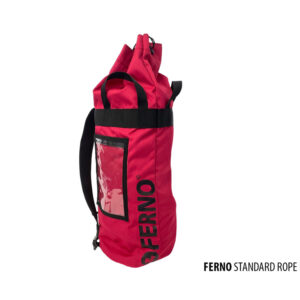
Ferno Standard Rope Bags
Price range: $89.09 through $114.11 -
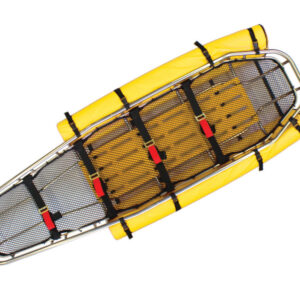
Ferno Traverse Floatation Device
$848.77 -
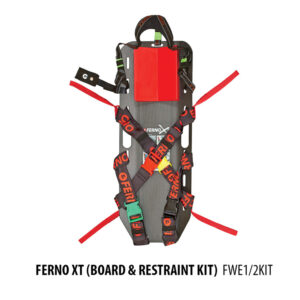
Ferno XT
Price range: $1,372.95 through $1,997.45 -

Gear Bag
Price range: $49.57 through $54.63
Rope software includes all textile-based components used in rope systems, designed to provide flexibility, energy absorption, and adaptability across a wide range of applications. This category covers items such as ropes, slings, harnesses, lanyards, webbing, prusik cords, and other fibre-based equipment commonly used in climbing, rescue, height safety, and rigging.
Manufactured from high-performance synthetic fibres like nylon, polyester, or aramid, these products are engineered to balance strength, durability, and handling characteristics. Unlike metal hardware, textile components are more susceptible to wear over time and can degrade due to environmental factors such as UV exposure, moisture, heat, abrasion, and chemical contact.
Because of this, rope software typically has a defined service life and may include manufacturer-recommended retirement periods, even if the item appears unused. Regular inspection is critical. Users should look for signs of damage such as cuts, fraying, glazing, stiffness, discoloration, or contamination. Any equipment showing these signs, or that has been subjected to significant load or shock, should be retired immediately.
When properly selected, used, and maintained, rope software plays a vital role in safe and efficient systems, offering the flexibility and performance needed for dynamic and load-bearing applications.